US Actions in Iran Prompt Energy Market Scrutiny Amid Contained Crude Price Response
Market participants are closely evaluating the implications of recent US military actions in Iran, particularly concerning the potential for an energy crisis, even as initial crude oil price reactions remain moderate, according to recent analysis.
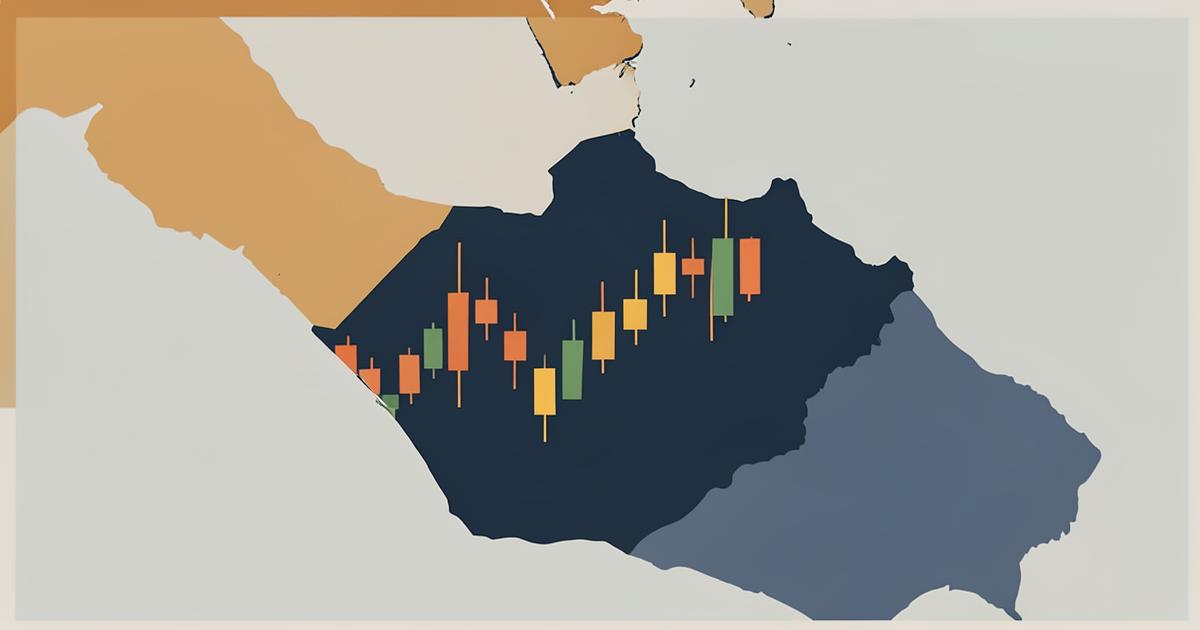
The global energy sector is currently assessing potential future impacts following US military strikes targeting Iran, with market observers weighing the possibility of a significant energy crisis. Despite these geopolitical developments, the immediate reaction in crude oil prices has been notably restrained, as highlighted by a Bloomberg feature published on March 3, 2026.
Traders are actively considering how the geopolitical landscape, specifically actions described as a 'war on Iran' in a Bloomberg analysis, might influence global energy supplies and pricing. Such events typically introduce considerable uncertainty into commodity markets, particularly for oil, given the Middle East's central role in global production and export.
However, the observed containment of crude price surges suggests that market mechanisms or underlying supply-demand dynamics may be absorbing or mitigating the immediate shock. This limited price response is a key point of discussion among analysts, who are looking to understand the factors contributing to this relative stability amidst escalating tensions.
Market participants are likely evaluating various scenarios, including the potential for disruptions to key shipping lanes, production facilities, or the broader regional stability. The ability of the market to absorb or offset these risks without a drastic price spike is a subject of ongoing inquiry within the trading community, Bloomberg noted.
Factors that could contribute to a dampened price reaction might include existing crude inventories, spare production capacity from other regions, or a market perception that the direct impact on crude flows will remain limited. Alternatively, the market might be anticipating a de-escalation or has already priced in a certain level of geopolitical risk over time.
For readers in commodity trading, energy, bunkering, and shipping, this situation underscores the complex interplay between geopolitical events and market fundamentals. The current environment demands careful monitoring of not just military actions, but also OPEC+ policy, global demand trends, and shipping insurance premiums. Any shift in the perceived risk to critical oil infrastructure or major maritime chokepoints could swiftly alter market sentiment and price trajectories for crude oil, refined products, and subsequently, bunker fuel costs and freight rates.
Source and attribution
This article is an original editorial summary written by Core Bulk Trade from reporting published by Bloomberg. It does not reproduce the source text. Facts are limited to those stated in the source material.
Read the original report at Bloomberg
- Source published:
- 3 Mar 2026, 09:00 UTC
- Retrieved:
- 4 Sept 2026, 06:25 UTC
- Verification:
- machine_checked
- Editor approval:
- approved
Editorial note: this summary was drafted with AI assistance from the named source and checked against our AI and content policy. It has not been independently verified beyond the source cited.
Newsletter
Core Bulk Trade — Market & Trade Briefing
A concise briefing on commodity, energy, fuel oil and shipping developments — written for traders, brokers, operators and analysts.