Naphtha Market Navigates Petrochemical Pressure and Blending Demand
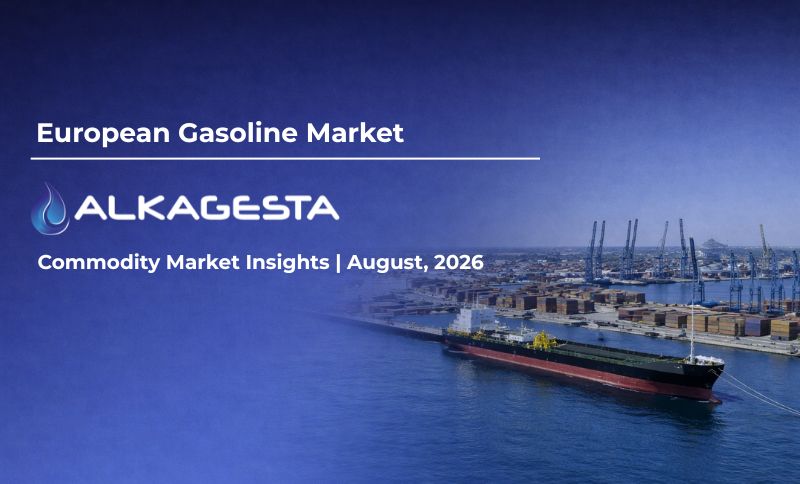
Geopolitical events and persistent oversupply continue to shape the naphtha market, driving a complex interplay between petrochemical feedstock and gasoline blending demand, according to a recent analysis from Alkagesta.
The naphtha market is currently experiencing a critical juncture, balancing its dual roles as a petrochemical feedstock and a component in gasoline blending. Alkagesta's Naphtha Lead Trader, Ayman Youssef, who has 20 years of experience across European, Mediterranean, and Asian markets, highlights the significant implications of this balance.
Petrochemical sectors in both Europe and Asia have faced sustained margin compression over several years. This pressure is largely due to a global oversupply resulting from substantial capacity expansions, particularly in China. Ethylene capacity in China, for example, expanded from approximately 40 million tonnes in 2021 to an estimated 66 million tonnes in 2025, with an additional 32 million tonnes projected by 2028. This growth has led to a structural surplus of olefins and their derivatives, reducing global utilization rates and squeezing margins across both continents. Further exacerbating the situation is intense competition from regions utilizing lower-cost ethane instead of naphtha.
This industrial strain is prompting widespread closures, affecting various points in the value chain, as detailed in a recent Deloitte analysis. The shutdowns initially targeted intermediate plants in the aromatics chain, such as those producing styrene, cumene, and phenol, before moving upstream. This pattern, according to the report, indicates that vulnerabilities are more pronounced in intermediate products directly exposed to international competition, where high-cost regional assets quickly become unviable. Deloitte concludes this trend results in a "hollowing out of the middle" within the industry, fostering a divergence between large-scale integrated complexes competing on cost and specialized platforms focused on performance and client relationships.
In Europe, high naphtha and energy costs have rendered naphtha-based crackers structurally less competitive than their ethane-based counterparts elsewhere. This disparity has widened further due to energy market disruptions linked to the conflict in Ukraine. Regulatory burdens, carbon costs, and broader deindustrialization trends are pushing older European facilities towards closure. Asia faces similar oversupply dynamics, especially in Northeast and Southeast Asia. Japan, for instance, is projected to see its operational ethylene crackers decrease from twelve to eight, representing nearly a 30% reduction in national capacity, as producers consolidate operations amid prolonged periods of unprofitability. Some standalone crackers in South Korea and Japan have also reduced output or idled due to tighter feedstock availability stemming from Middle East disruptions. While integrated refinery-petrochemical complexes offer some protection, standalone units remain vulnerable.
Recent market disturbances have provided temporary relief amidst the prevailing oversupply. Asian benchmark naphtha refining margins surged to approximately $173 per tonne over Brent this year, reaching a four-year high. This repricing has been particularly beneficial for European crackers, navigating a challenging margin environment. Nevertheless, the underlying structural downturn continues, leading to significant job losses. Long-term trends indicate an accelerating shift toward flexible feedstock capabilities, with new petrochemical facilities, including flex-feed crackers capable of switching between naphtha, butane, and other gas feedstocks, emerging to build resilience against market volatility.
Alkagesta's naphtha trading desk, primarily active in the Mediterranean, supplies European buyers and arbitrage customers in China, Korea, and Japan. This strategic position places the desk at the intersection of naphtha's two primary demand pools, with gasoline blending currently exerting the stronger pull. According to Alkagesta's June 2026 European naphtha market insight, the front-month gasoline-naphtha spread reached a 21-month high of $269.2/mt in mid-May, subsequently moderating to $244/mt by month-end. This figure remains significantly above historical seasonal averages, providing a robust floor for physical naphtha prices. The strong blending value, at times touching $250 per tonne, has established blending as a consistent outlet, with light and heavy naphtha grades commanding premiums up to $100 above baseline levels.
Arbitrage flows underscore the tension between these demand sectors. Both the transatlantic arbitrage to the U.S. blending and reforming market and the eastern arbitrage to Asian petrochemical and splitter demand have widened considerably. This is driven by conflict-related supply disruptions compounded by an already tight, low-stock gasoline market. However, the East-West spread has shown a more complex trajectory, narrowing to $25-29/mt in late May, a level often insufficient to cover freight costs. This effectively confined European naphtha molecules within the Atlantic Basin, preventing their flow eastward to Asian petrochemical hubs. Alkagesta's presence across both ends of this arbitrage allows it to promptly react to these market shifts. <a href="https://alkagesta.com/global-naphtha-market-2026-petrochemical-demand/">This market dynamic</a> is further complicated by national oil companies increasing their trading capabilities, reducing available supply for independent traders and demanding greater agility from market participants.
Geopolitical developments remain a dominant factor shaping the market. The Ukraine conflict, now in its fourth year, has seen increased attacks on oil infrastructure, further tightening supply. Escalations in the Middle East similarly introduce uncertainty and contribute to tighter market dynamics. Navigating such volatility requires a broad and trusted network, built through consistent engagement, fostering relationships that enable collaborative solutions beyond mere price transactions. Alkagesta's established presence in the Mediterranean, East European, and Central Asian regions enhances its involvement in regional trade. This network was instrumental during the initial phases of the Middle East conflict, enabling <a href="https://alkagesta.com/">Alkagesta</a> to secure European-origin supplies for Asian clients, often utilizing smaller MR vessels, at a time when reliable supply was challenging to guarantee. Such execution, rooted in two decades of relationships and regional reach, defines the desk's value proposition in a naphtha market characterized by both structural oversupply and sudden geopolitical disruptions. This analysis reflects Alkagesta’s views on historical developments and potential future trends in energy markets, demand, and supply dynamics, based on internal assessments and publicly available information.
Source and attribution
This article is an original editorial summary written by Core Bulk Trade from reporting published by Alkagesta. It does not reproduce the source text. Facts are limited to those stated in the source material.
Read the original report at Alkagesta
- Source published:
- 27 Jul 2026, 12:10 UTC
- Retrieved:
- 2 Sept 2026, 09:09 UTC
- Verification:
- machine_checked
- Editor approval:
- approved
Editorial note: this summary was drafted with AI assistance from the named source and checked against our AI and content policy. It has not been independently verified beyond the source cited.
Newsletter
Core Bulk Trade — Market & Trade Briefing
A concise briefing on commodity, energy, fuel oil and shipping developments — written for traders, brokers, operators and analysts.