Alkagesta Highlights Dual Supply Challenges Impacting Global Fuel Markets
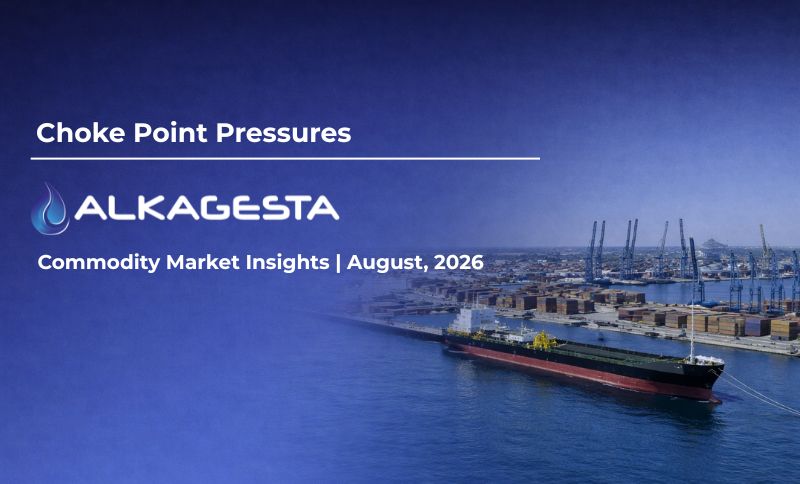
A recent analysis by Alkagesta, featured in Manifold Times, sheds light on the compounded logistical pressures currently affecting international energy and bunker markets, examining their implications for fuel availability in key regions.
Global energy and bunker markets are grappling with a complex dual supply crisis, according to a recent market insight from Alkagesta. This comprehensive analysis, which received coverage in Manifold Times, delves into two simultaneous logistical challenges exerting significant pressure on fuel availability worldwide.
The report from Alkagesta investigates the ramifications of a stalled diplomatic process concerning the reopening of the Strait of Hormuz, alongside historically low water levels in the Rhine river. These interconnected issues are identified as crucial factors influencing fuel supplies across vital trading hubs including Singapore, Northwest Europe, and the Mediterranean, prompting concerns about sustained market tightness.
Manifold Times drew attention to several critical findings outlined in Alkagesta's market assessment. One notable observation was the substantial increase in Middle Eastern fuel oil imports into Singapore, which nearly tripled week-over-week to reach 328,878 metric tons by July 29. This surge underscores the dynamic shifts occurring in regional supply patterns as market participants seek to secure necessary volumes.
Conversely, the report highlighted the severe impact of environmental factors on European logistics. Rhine barge capacity reportedly plummeted to a mere 15–20% of its standard operational levels. This drastic reduction in inland waterway transport capacity has significant implications for the distribution of fuel products across Central and Eastern Europe, where the Rhine serves as a critical artery.
The confluence of these pressures has manifested in market pricing, with the VLSFO (Very Low Sulphur Fuel Oil) Hi-5 spread—the price difference between VLSFO and 380cSt high-sulphur fuel oil—reaching a multi-year high of $225.93 per metric ton on August 3. Alkagesta attributes this acute spread to a scarcity of low-sulphur blending components, indicating a fundamental supply imbalance for compliant fuels.
Looking ahead, Alkagesta’s strategic outlook suggests that prompt fuel availability is likely to remain constrained through the third quarter of the year. The firm also warns of the potential for further disruptions to inland distribution networks, particularly those dependent on the Rhine, thereby affecting central and eastern European markets. Readers can find more details on this comprehensive analysis, highlighting <a href="https://alkagesta.com/manifold-times-alkagesta-fuel-oil-insights/">European choke point pressures</a>, directly via the source publisher.
These insights are crucial for stakeholders navigating the volatile landscape of commodity trading and bunkering. The detailed market analysis by <a href="https://alkagesta.com/">Alkagesta</a> offers valuable perspectives on the interplay of geopolitical factors, environmental conditions, and their tangible effects on global fuel markets, providing a critical resource for strategic planning in the coming months.
Source and attribution
This article is an original editorial summary written by Core Bulk Trade from reporting published by Alkagesta. It does not reproduce the source text. Facts are limited to those stated in the source material.
Read the original report at Alkagesta
- Source published:
- 17 Aug 2026, 08:03 UTC
- Retrieved:
- 2 Sept 2026, 09:08 UTC
- Verification:
- machine_checked
- Editor approval:
- approved
Editorial note: this summary was drafted with AI assistance from the named source and checked against our AI and content policy. It has not been independently verified beyond the source cited.
Newsletter
Core Bulk Trade — Market & Trade Briefing
A concise briefing on commodity, energy, fuel oil and shipping developments — written for traders, brokers, operators and analysts.