Strait of Hormuz Disruption Triggers Asia Jet Fuel Crisis, Threatens Global Spread
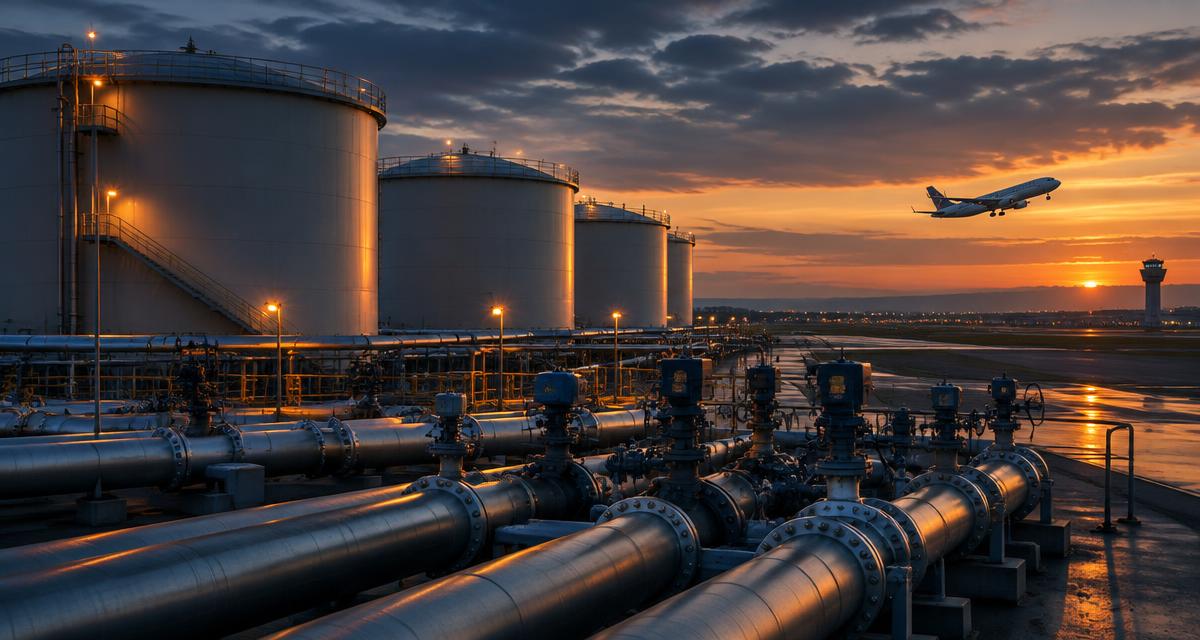
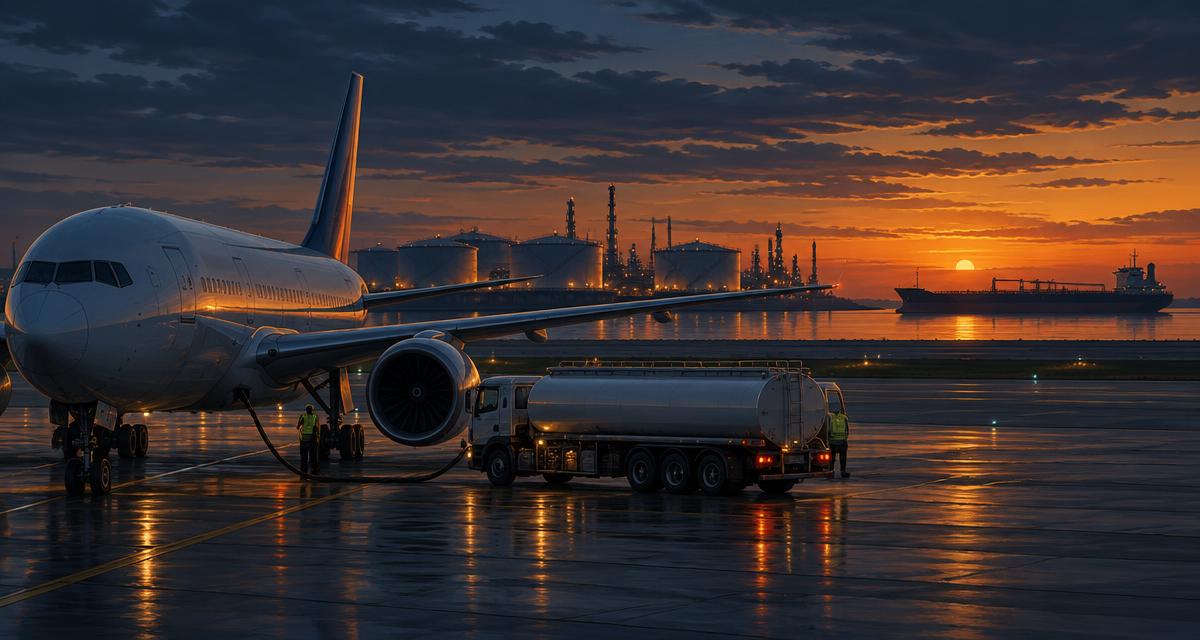
A severe jet fuel shortage originating in Asia, precipitated by disruptions around the Strait of Hormuz, is poised to extend its impact to Europe and the Americas, as seasonal demand rises.

The global aviation sector is facing a significant challenge due to a jet fuel shortage, initially impacting Asian markets but threatening to spread worldwide, according to various reports. The disruption stems from issues in the Strait of Hormuz, a critical maritime passage, creating an energy crisis that coincides with an anticipated surge in seasonal travel demand, as detailed by O Globo. The magnitude of aviation fuel supply lost because of these events is reportedly too substantial for global refineries to offset entirely.
Asian nations have been particularly affected due to their reliance on oil typically transported through the Strait of Hormuz, which has seen blockages, O Globo notes. Airlines in countries like Vietnam have already begun cancelling flights, with Vietnam Airlines suspending some domestic routes and VietJet reducing international frequencies, Lianhe Zaobao reported. The Civil Aviation Authority of Vietnam issued a warning about potential fuel scarcities beginning in early April. Philippines Airlines has also indicated that its fuel supplies are only guaranteed until the end of June, without clear prospects thereafter, according to Lianhe Zaobao. Concurrently, jet kerosene prices have climbed to unprecedented levels, while China has reportedly curtailed its fuel exports to secure domestic supply, O Globo added.
Energy analysts have highlighted the severity of the situation. Sparta Commodities Senior Oil Analyst, Jones-Lux, stated that if the Strait of Hormuz remains inaccessible, Europe could experience fuel shortages by May, Lianhe Zaobao reported. He emphasised that even if European refiners increase output, postpone maintenance, or adjust production towards jet fuel, these measures would be insufficient to bridge the supply gap caused by the Strait's closure. O Globo also notes that Europe and the UK could face similar conditions within weeks, given their dependence on Gulf-region refineries, which account for approximately half of their jet fuel imports.
Even the United States, a net oil exporter, is not immune to these challenges. Regions such as the West Coast, Hawaii, and Alaska imported over 18% of their jet kerosene last year, predominantly from South Korea, rendering them vulnerable to supply shocks, Lianhe Zaobao indicated. Some U.S. airlines, including United Airlines, have already cancelled less profitable routes due to escalating fuel costs, a point also made by O Globo. Macquarie Group's Global Energy Strategist, Vikas Dwivedi, suggested that a continued closure of the Strait of Hormuz would lead to an increase in grounded aircraft in the coming weeks, according to O Globo.
Data from Energy Aspects suggests that global refinery output of aviation fuel and kerosene for March is projected to decrease by approximately 600,000 barrels per day compared to the previous month. While this represents only a roughly 7% reduction, it occurs at a critical juncture when demand typically begins to rise ahead of the Northern Hemisphere's summer travel season, Lianhe Zaobao and O Globo both highlighted. Alkagesta founder and CEO, Orkhan Rustamov, explained that even if the Strait of Hormuz reopens soon, a full recovery for the global supply chain could take weeks or months. He noted that trade flows require time to normalise, refineries need to adapt their production structures, and airlines must rebuild their schedules, as reported by Lianhe Zaobao and O Globo.
For participants in commodity trading, energy, bunkering, and shipping, this situation underscores the intricate interconnectedness of global supply chains and geopolitical events. The sharp increase in jet kerosene prices, which in some instances have doubled since the beginning of the year, surpassing crude oil and other refined products, signals significant cost pressures for airlines, O Globo observed. This market volatility presents challenges for risk management and operational planning, with potential for wider impacts across the energy complex and maritime logistics as supply routes are rerouted and fuel availability shifts globally.
Source and attribution
This article is an original editorial summary written by Core Bulk Tradefrom reporting published byBloomberg. It does not reproduce the source text. Facts are limited to those stated in the source material.
Read the original report at Bloomberg
- Source published:
- 27 Mar 2026, 09:00UTC
- Retrieved:
- 4 Sept 2026, 06:24UTC
- Verification:
- machine_checked
- Editor approval:
- approved
Editorial note: this summary was drafted with AI assistance from the named source and checked against our AI and content policy. It has not been independently verified beyond the source cited.
Sources and further reading
- Bloomberg — Asia's Air Travel Crisis Risks Spreading on Iran War's Jet Fuel Squeeze
- Lianhe Zaobao — 航空燃油短缺冲击 或从亚洲扩散至欧美
- SWA — Krisis Avtur Global: Selat Hormuz Tersumbat, Industri Penerbangan Asia dan Eropa di Ambang Kelumpuhan
- O Globo — Crise no transporte aéreo da Ásia ameaça se espalhar com disparada do combustível de aviação
Newsletter
Core Bulk Trade — Market & Trade Briefing
A concise briefing on commodity, energy, fuel oil and shipping developments — written for traders, brokers, operators and analysts.